
Select Sections to Print
×Book Details
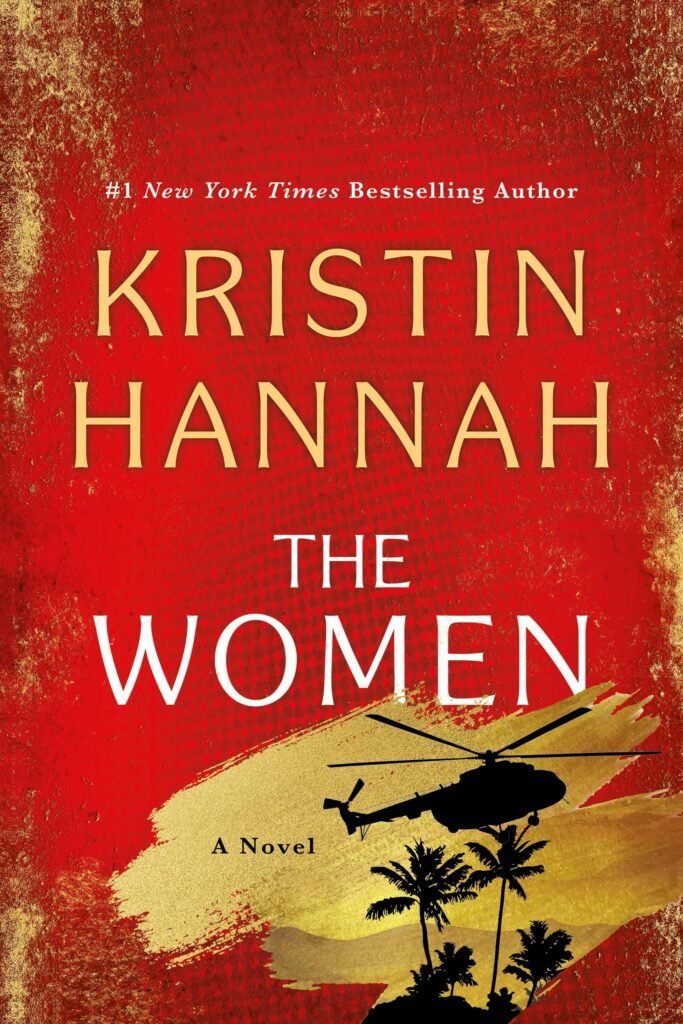
The Women
Jump to Section
⚠️ Trigger Warnings
- Graphic violence
- War violence
- Medical trauma
- Death of children
- Substance abuse
- Addiction
- PTSD
- Mental health struggles
- Suicidal ideation
- Suicide attempt
- Pregnancy loss
- Infidelity
- Emotional abuse
- Physical assault
- Verbal abuse
- Torture
- POW trauma
- Racism
- Civil rights violence
⏱️ 2-Minute Spoiler Summary
The Women by Kristin Hannah follows Frances “Frankie” McGrath, a sheltered 20-year-old who joins the Army Nurse Corps during the Vietnam War after her older brother, Finley, is killed in action. Once in Vietnam, Frankie is thrown into chaotic medical units and quickly grows into a highly skilled operating room nurse. She becomes close with fellow nurses Ethel and Barb, develops feelings for surgeon Jamie Callahan, and is devastated when he is gravely injured and evacuated after his helicopter is shot down. Because of the severity of his condition, Frankie believes Jamie has died. Later, she reconnects with pilot Rye Walsh, who claims his engagement is over, and the two begin a relationship.
When Frankie returns home, she expects to build a future with Rye, but instead faces hostility from anti-war protestors, indifference from her family, and the emotional fallout of everything she endured overseas. Then she learns that Rye has supposedly been killed in action, which sends her into a deep depression. She loses her job, drinks heavily, and spirals until Barb and Ethel help pull her out of the worst of it.
Frankie slowly rebuilds her life and begins a relationship with Henry Acevedo, a psychiatrist she met at a veterans’ march. She becomes pregnant, and for a moment it seems like she may finally have some stability. But everything collapses when the war ends and American POWs are released: Rye is alive. Worse, Frankie discovers he had been married all along and returns to his wife and child. The shock devastates her. She suffers a pregnancy loss, ends things with Henry, and becomes dependent on Valium while continuing a secret affair with Rye, who keeps promising to leave his wife but never does.
Eventually, Frankie’s addiction and unresolved trauma lead to a full breakdown, and she is hospitalized, where she is finally diagnosed with PTSD. After treatment, she leaves home, moves to Montana, earns a psychology degree, and creates a refuge for women who served in Vietnam. Years later, at a reunion in Washington, DC, Frankie is stunned to discover that Jamie is alive after all, bringing her story to an emotional full circle.
📖 Full Spoiler Summary
The Girl Who Wanted to Be a Hero (1966)
Frances “Frankie” McGrath grows up on Coronado Island, surrounded by wealth, expectation, and a legacy of male heroism displayed on her family’s “heroes’ wall.” At her brother Finley’s going-away party before Vietnam, his friend Rye Walsh tells her something that changes everything: women can be heroes too.
When Finley is killed in action soon after, grief and purpose collide. Frankie makes a choice that shocks her family—she enlists as an Army nurse, determined to earn her place on that wall.
Baptism by Fire (Vietnam, 1967)
Nothing prepares Frankie for Vietnam. At the 36th Evacuation Hospital, she is immediately thrown into the chaos of mass casualties—blood, screams, impossible choices. Under pressure, she transforms quickly, learning to keep people alive with her hands steady even as her world spins.
She finds her footing through Ethel and Barb, two nurses who become her lifeline, her family in war. Together, they survive the relentless rhythm of trauma.
In the operating room, Frankie grows close to surgeon Jamie Callahan. Their connection is intense, forged in exhaustion and shared horror—but it’s complicated. Jamie is married. Still, their bond deepens in the quiet moments between life and death.
Then everything shatters. Jamie’s helicopter is shot down. Frankie watches as he’s rushed in, barely alive. During evacuation, the resuscitation efforts stop. From what she sees, there’s only one conclusion:
Jamie is dead.
Rocket City & Second Chances
Frankie is transferred with Barb to the 71st Evacuation Hospital near the Cambodian border—a more dangerous posting where death feels constant and close.
There, fate circles back. She reunites with Rye Walsh.
On R&R in Hawaii, Rye tells her he ended his engagement. Vulnerable and desperate for something good, Frankie lets herself believe him. They fall into an intense relationship, a fragile pocket of hope inside the war. She even extends her tour to stay close to him.
Then war takes him too. Rye’s helicopter is shot down. He is listed as killed in action.
Just like that—he’s gone.
Frankie loses him the same way she lost her brother. The same way she lost Jamie.
The War Doesn’t End at Home (1969)
Frankie returns to California expecting relief. Instead, she walks into a different kind of battlefield.
At the airport, she is spit on, called a “baby killer.” No one thanks her. No one understands.
At home, it’s worse in a quieter way. Her parents erase her service, telling people she was in Europe. They don’t ask about Vietnam. They don’t want to know.
Frankie is completely alone with what she’s seen.
The nightmares start. The anxiety. The numbness. She drinks. She takes pills. She drifts through jobs she can’t hold onto.
When she learns that Rye—the man she loved—is dead, it pushes her further into the dark.
Trying to Build a Life
With the help of Barb and Ethel, Frankie stabilizes just enough to begin again. She meets Henry Acevedo, a compassionate psychiatrist who sees through her defenses. He offers something steady, something real.
She begins to heal. Slowly. Carefully.
She falls in love with Henry. She gets pregnant. They plan a future together.
For the first time since the war, Frankie allows herself to believe life might work out.
The Truth Comes Back Alive
Then the war reaches out one last time.
On television, Frankie sees returning prisoners of war—and among them is Rye Walsh. Alive.
Everything she believed shatters instantly.
She rushes to meet him, heart racing with hope—only to watch him reunite with his wife and child.
The truth hits all at once:
Rye was never free. He never chose her. He built a life that never included her.
The betrayal is complete.
The emotional shock, layered on top of everything else, triggers a devastating collapse. Frankie loses the baby. Her relationship with Henry falls apart.
But she still can’t let Rye go. He comes back into her life, promising he’ll leave his wife. She believes him—again.
And again, he doesn’t.
Rock Bottom
Frankie spirals fully—addicted to Valium, drinking heavily, unable to function. She loses her nursing career. Her sense of self dissolves.
One night, overwhelmed by grief, trauma, and disillusionment, she walks into the ocean, ready to disappear—drawn by the memory of her brother’s voice.
She is rescued and hospitalized.
For the first time, someone finally names what she’s been living with:
PTSD.
The Long Road Back
In treatment, Frankie begins to confront everything she’s buried—the war, the losses, the betrayals, the guilt. It’s slow. Painful. Not linear.
But it works.
When she leaves, she knows she can’t go back to the life she had. So she builds a new one.
A Different Kind of Hero (Montana, 1970s)
Frankie moves to Montana, choosing isolation over noise. There, she earns a degree in psychology and transforms her land into a refuge for women veterans—others like her, who came home to nothing and no one.
Instead of trying to forget the war, she creates a space where it can be understood.
The Wall (1982)
Years later, Frankie travels to Washington, D.C. for the Vietnam Veterans Memorial unveiling. Surrounded by names—by loss—she finally stands in a place where the war is acknowledged.
And then—another impossible moment.
A familiar voice.
She turns.
Jamie Callahan is alive.
He survived the helicopter crash, the surgeries, the aftermath. He stands before her older, changed, but real. He tells her he named his daughter after her.
All this time, she thought he was gone.
Full Circle
At the Wall, among the names of the dead and the weight of everything that was lost, Frankie stands with someone who understands—not just the war, but her.
After everything—
the war, the betrayals, the grief, the years of rebuilding—
she is no longer invisible.
🔚 Ending Explained
Why the Novel Concludes at the Vietnam Veterans Memorial
The novel’s final sequence takes place at the 1982 dedication of the Vietnam Veterans Memorial in Washington, D.C. This setting is not incidental—it functions as the structural and thematic endpoint of Frankie’s journey.
Throughout the novel, Frankie’s central conflict is not limited to surviving the war itself, but rather the erasure of her experience upon returning home. Her service is dismissed by her family, unacknowledged by society, and excluded from traditional definitions of heroism. The Wall, which publicly inscribes the names of the war’s dead, represents the first formal, collective recognition of that conflict.
Positioning the climax here allows the narrative to resolve a long-standing tension: the gap between service and acknowledgment. The Wall becomes a space where private trauma is finally situated within a broader historical memory.
Family Reconciliation as Narrative Closure
Frankie’s encounter with her parents at the Wall resolves a key interpersonal arc established early in the novel. Her father, who initially embodies a rigid, gendered understanding of military service, had rejected Frankie’s decision to enlist and later concealed it out of shame.
At the memorial, this position collapses. Standing before Finley’s name, he recognizes both loss and survival within the same frame. His acknowledgment of Frankie as a “hero” is significant not for its sentimentality, but for what it corrects:
- It revises the family’s earlier narrative, which excluded her
- It restores Frankie’s place within the lineage symbolized by the “heroes’ wall”
- It affirms that her contribution carries equal weight, despite not fitting traditional expectations
This moment provides emotional and ideological resolution, aligning the private family perspective with the broader recognition represented by the memorial.
Jamie Callahan’s Survival — Reframing Loss
Jamie’s reappearance functions as the novel’s final narrative reversal. Frankie had constructed part of her wartime trauma around witnessing his apparent death. That belief shaped her understanding of the war as a sequence of irreversible losses.
His survival complicates that framework. It introduces the idea that Frankie’s perception of the war—while emotionally true—was not entirely factually complete. In narrative terms, this serves two purposes:
- It disrupts the pattern of total loss that defines her past
- It reopens a relationship that had been prematurely closed
Jamie’s physical condition—marked by amputation and scarring—ensures that his survival is not romanticized. He embodies the enduring cost of war, rather than an escape from it.
The detail that he kept Frankie’s talisman and named his daughter after her reinforces the continuity of their connection, suggesting that their relationship persisted beyond the moment of separation.
Contrast with Rye Walsh
By the conclusion, Rye’s narrative role has already been resolved. His arc represents instability, illusion, and deferred promises. His reappearance earlier in the novel exposes the gap between Frankie’s perception of him and the reality of his life.
In contrast, Jamie’s return is grounded in transparency and shared experience. The juxtaposition clarifies the emotional trajectory of the novel: Frankie moves away from relationships defined by uncertainty toward one defined by mutual recognition and honesty.
Integration of Public and Private Resolution
The ending succeeds structurally because it aligns three levels of resolution within a single setting:
- Personal: Frankie confronts her past and integrates her experiences
- Interpersonal: Her relationship with her parents is repaired
- Collective: The broader society begins to acknowledge the war and those who served
The Wall operates as the point at which these layers converge. It transforms Frankie’s experience from something isolated and invalidated into something historically situated and publicly recognized.
Final Interpretation
The conclusion does not suggest that trauma is erased or fully resolved. Instead, it reframes Frankie’s experience within a context where it can be recognized, shared, and understood.
Her arc moves from invisibility to acknowledgment—not only in the eyes of others, but in how she understands herself. The final image of her standing at the Wall with Jamie underscores this shift:
She is no longer defined solely by what she lost, but by what she endured—and by the fact that her experience is now part of the historical record rather than outside of it.
👤 Characters & Fates
🔶 Main Characters
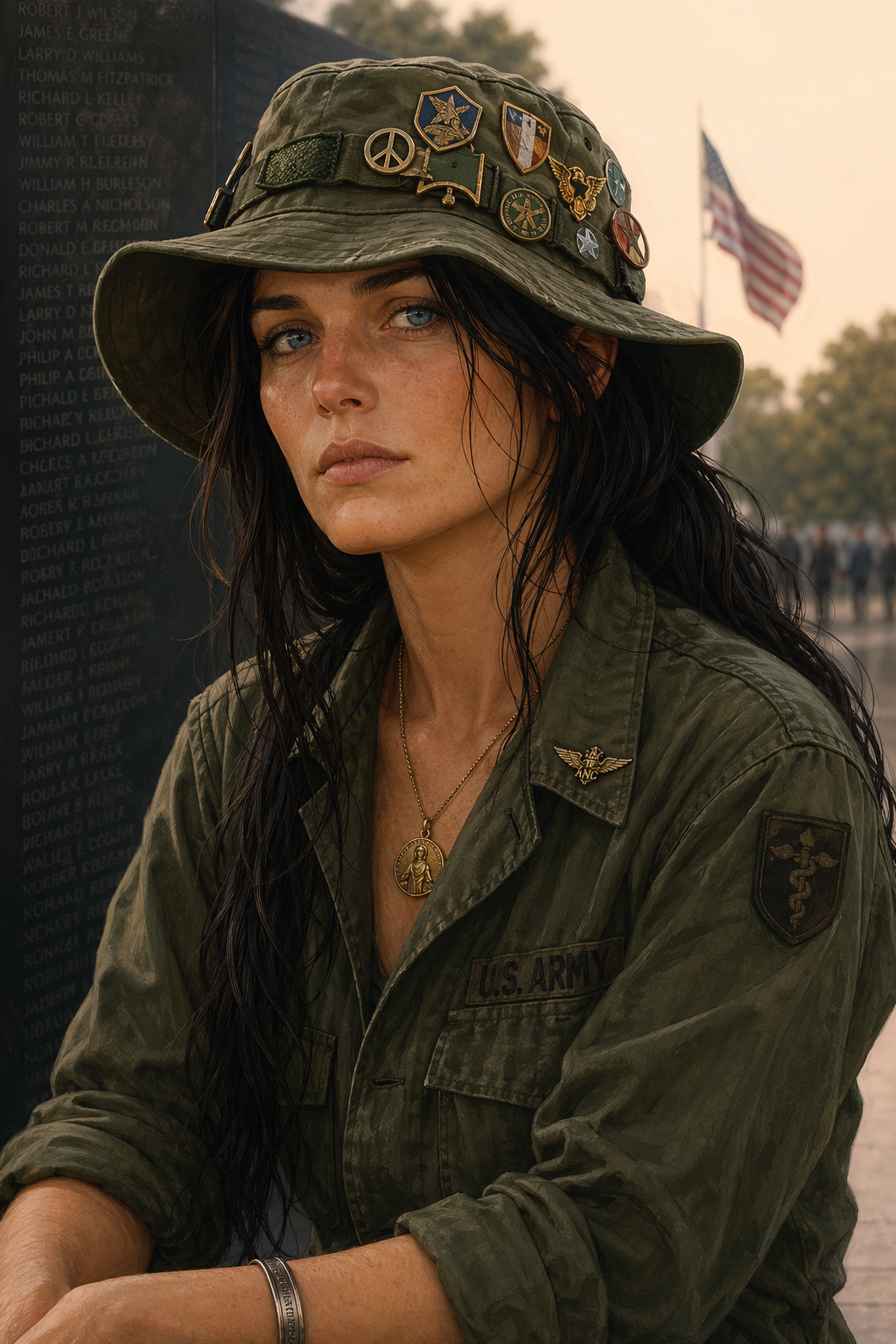

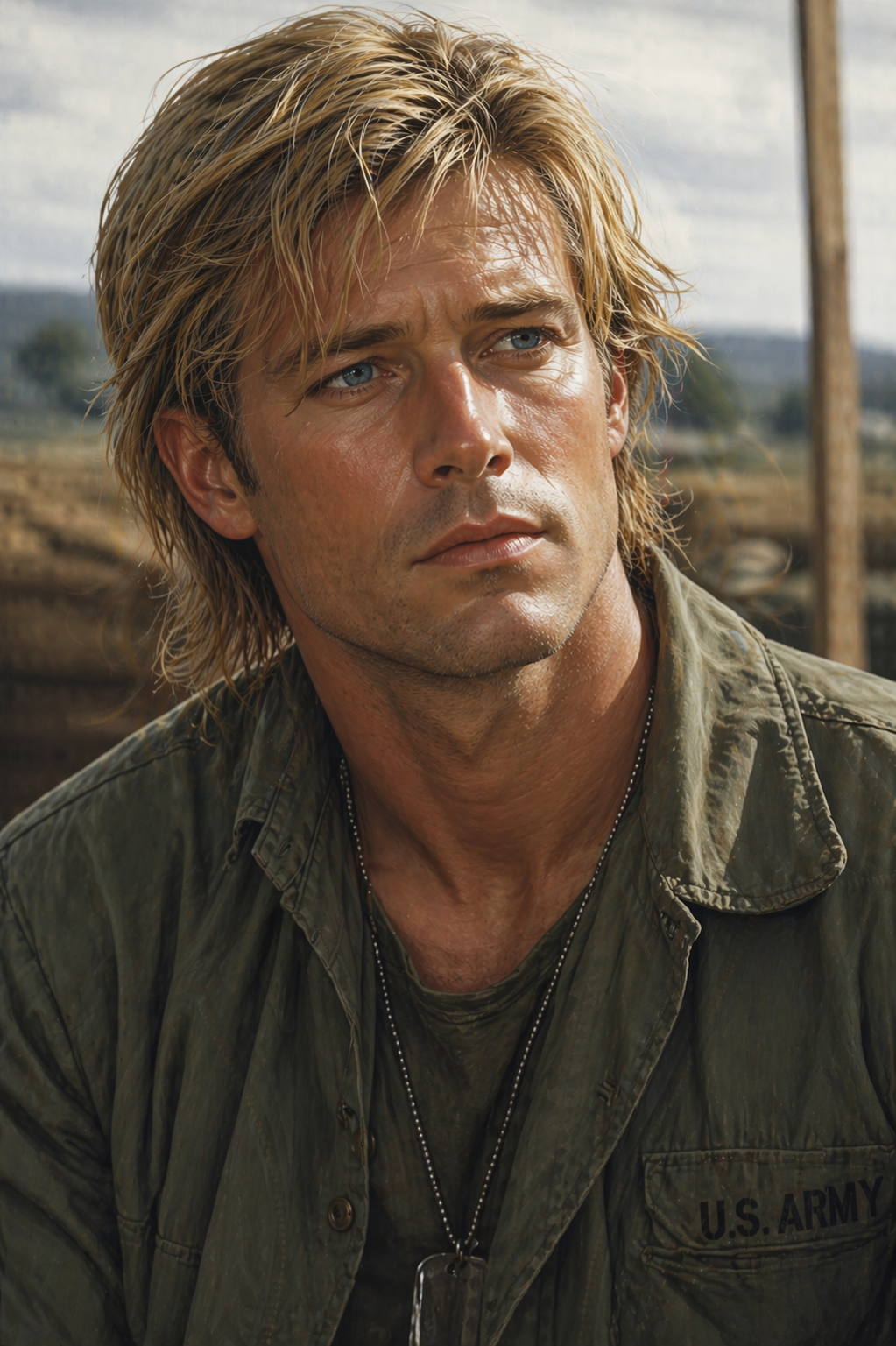
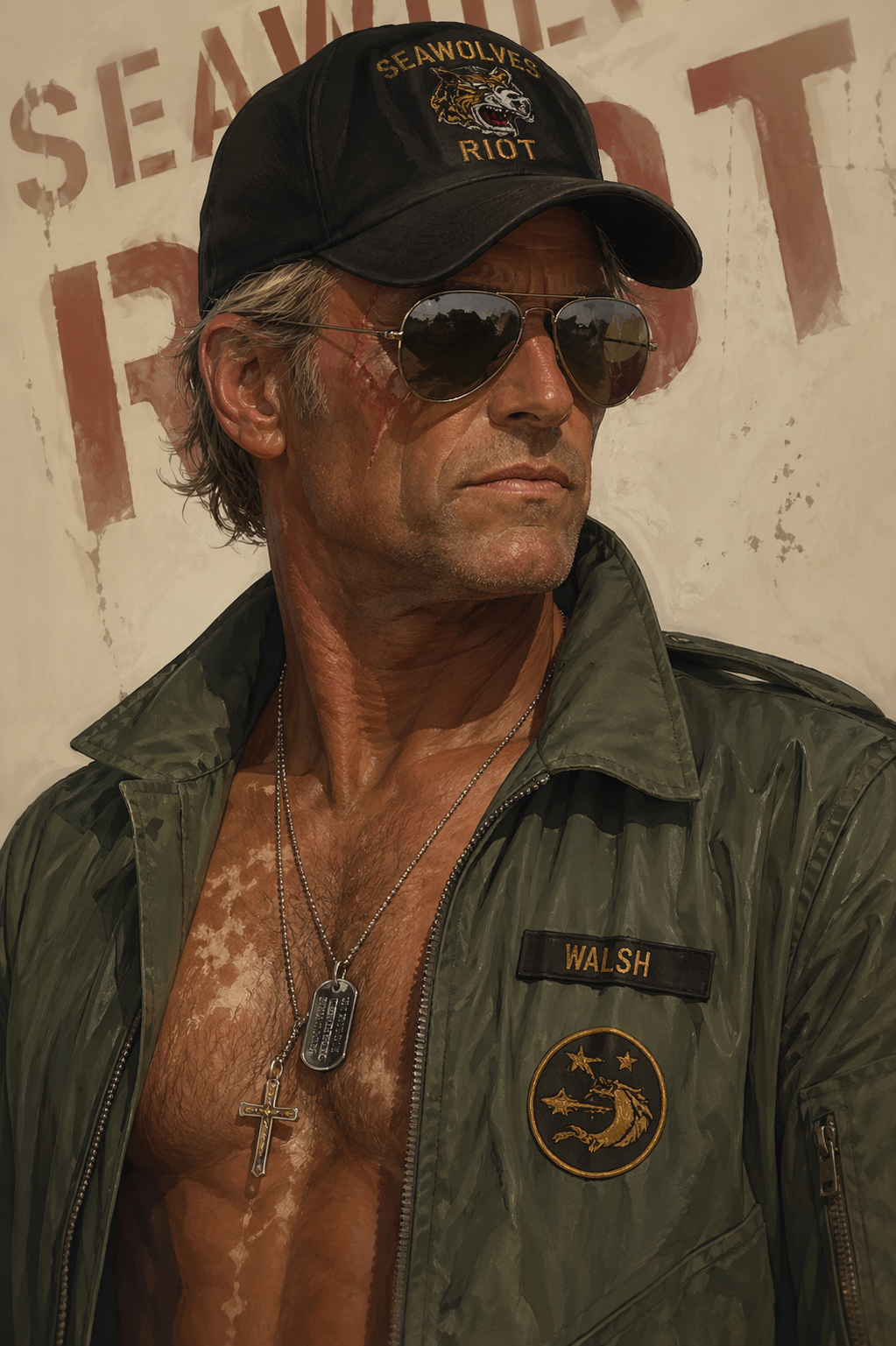
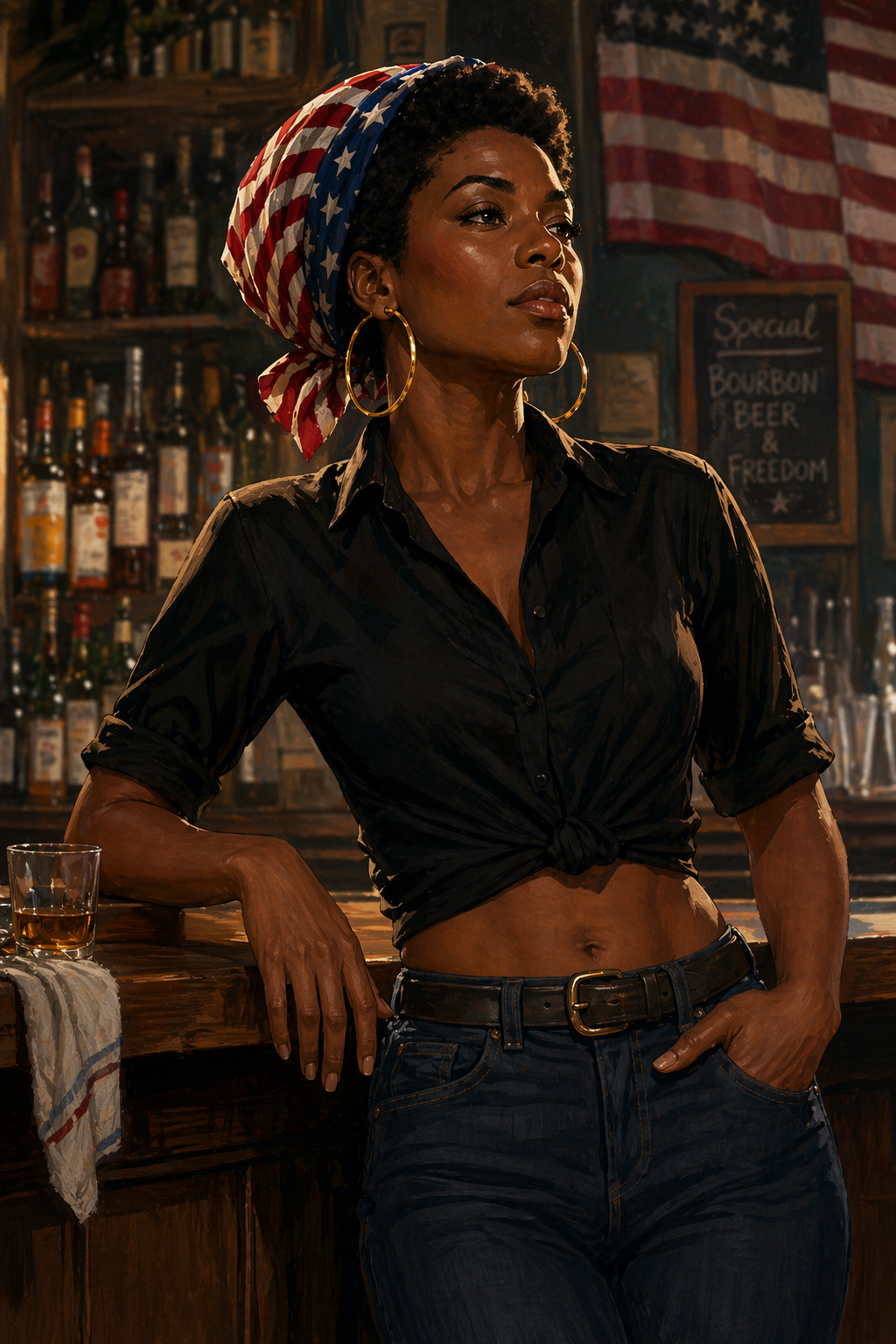
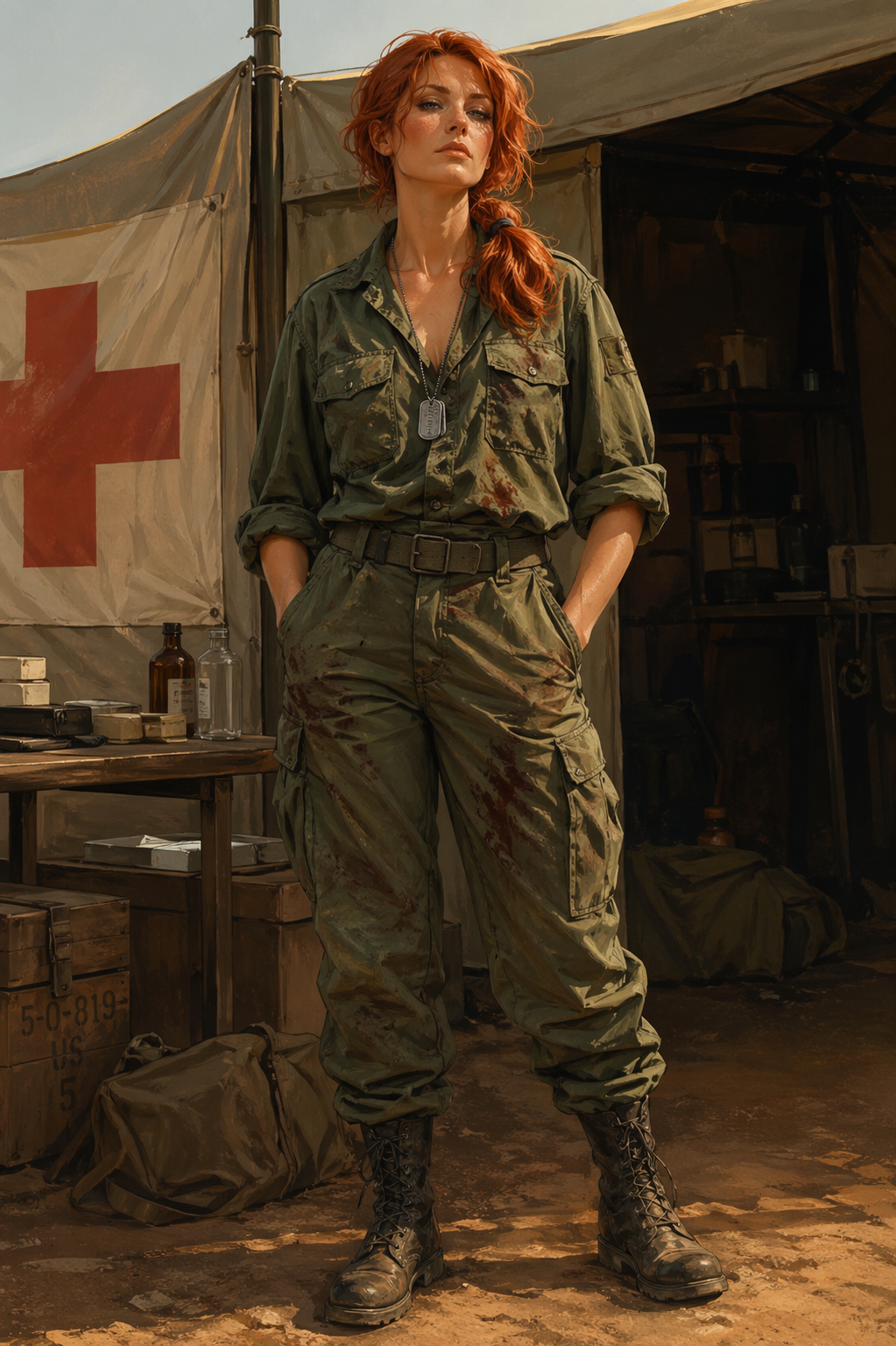
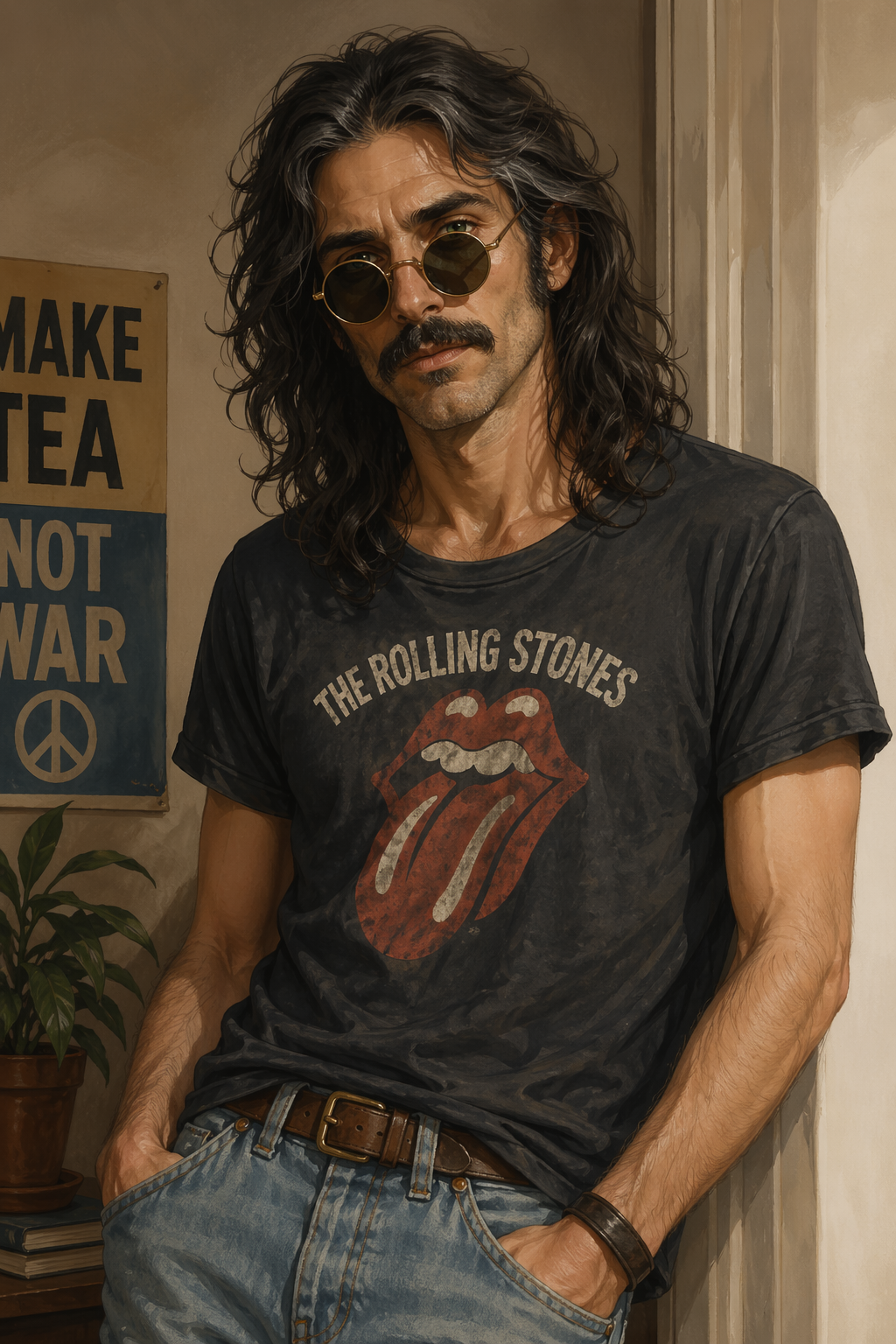
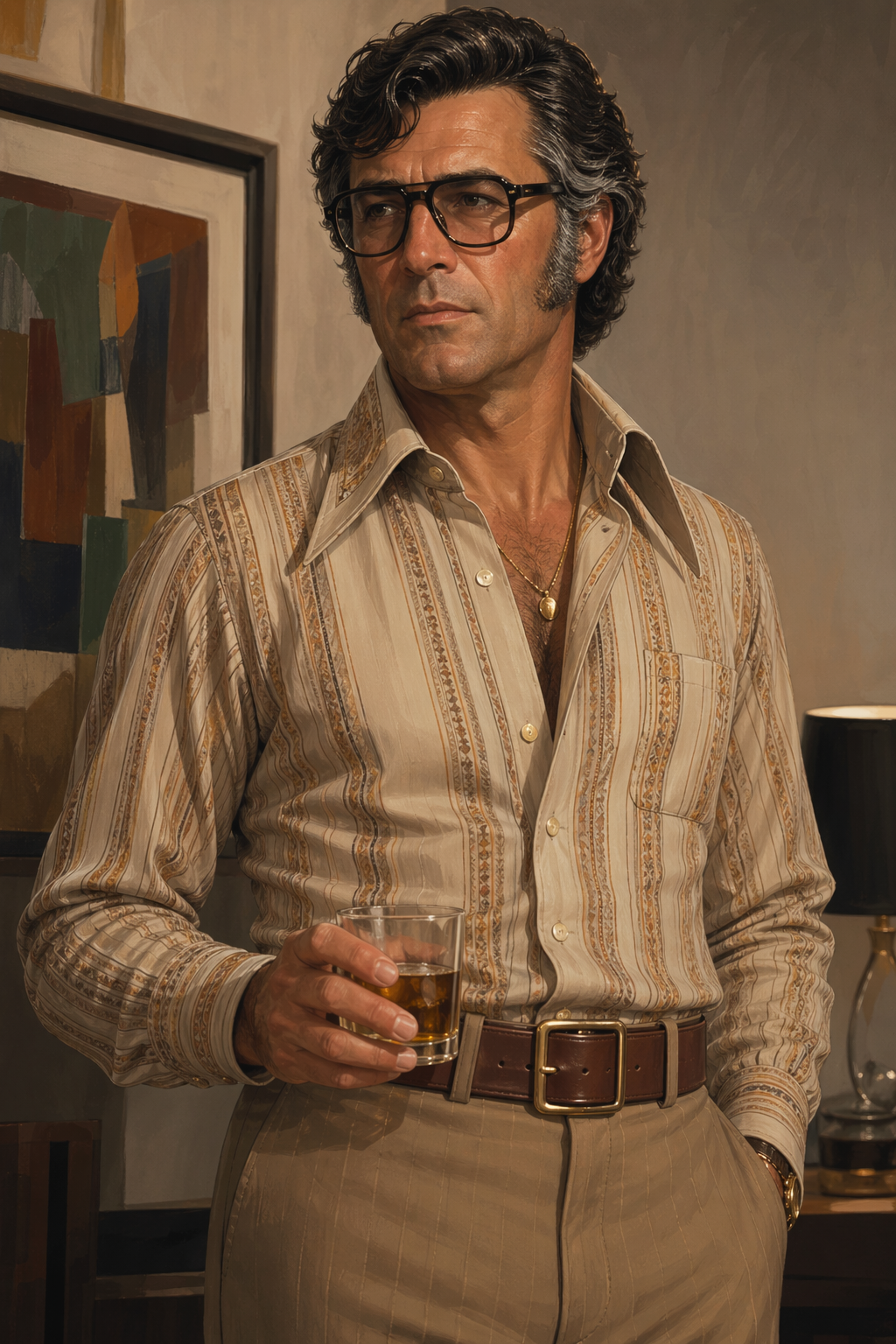

🔷 Supporting Characters
🕳️ Potential Plot Holes
1. Jamie Callahan’s Survival
Frankie watches Jamie after his helicopter is shot down and sees him being loaded onto a medevac. During the flight, she specifically observes that chest compressions stop and a medic signals that he’s gone, leading her to believe he has died.
Why it raises questions:
In a combat setting, stopping resuscitation efforts typically indicates death has been declared. Given that Frankie works within the same military hospital system, it’s difficult to explain how Jamie could survive catastrophic injuries—brain trauma and the eventual loss of his leg—without any update ever reaching her. The twist requires a complete communication gap that feels unlikely given their shared environment.
2. “There Were No Women in Vietnam”
After returning home, Frankie is repeatedly told by civilians, medical professionals, and even fellow veterans that “there were no women in Vietnam.”
Why it raises questions:
Historically, thousands of women—especially Army nurses—served in Vietnam. While the statement reflects how overlooked these women were, the idea that doctors or veterans would outright deny their existence comes across as exaggerated. It reads less like literal ignorance and more like a thematic overstatement, which can feel unrealistic in dialogue.
3. Rye Walsh’s Deception
Rye Walsh is Finley McGrath’s best friend, meaning Frankie knows him well before the war. Later, in Vietnam, he tells her he is no longer engaged, and they begin a relationship. His wording is technically true—because he is actually already married, not engaged.
Why it raises questions:
Because Rye is not a stranger but someone deeply embedded in Frankie’s life through her brother, it seems unlikely she would never have known he got married before deploying. Given their shared social circles and Finley’s close friendship with Rye, the marriage being completely unknown to Frankie makes the twist feel overly dependent on withheld information.
4. The “Florence” Cover Story
While Frankie is deployed, her parents tell their entire social circle that she is studying abroad in Florence.
Why it raises questions:
Frankie comes from a wealthy, highly visible family in a tight-knit community with strong military ties. Maintaining this lie for two full years—without friends, neighbors, or other military families discovering the truth—stretches plausibility. Realistically, information could have surfaced through letters, service records, or mutual connections.
5. Expanded Medical Responsibilities
During her time in Vietnam, Frankie performs advanced medical procedures—such as emergency tracheotomies and closing severe wounds—sometimes independently and under extreme pressure.
Why it raises questions:
While wartime conditions often required flexibility and quick decision-making, the level of surgical responsibility Frankie assumes occasionally exceeds what would typically fall within a nurse’s role. The novel leans into a “necessity of war” justification, but at times it pushes beyond standard expectations.
📚 Book Club Q&A's
⭐ Final Rating & Thoughts
The Women by Kristin Hannah completely wrecked me—in the best way.
This isn’t just a story about war—it’s about what happens after, when everything is supposed to be “over” but clearly isn’t. Frankie’s journey hit hard because it never takes the easy way out. She loses people, makes messy decisions (Rye… seriously 😩), spirals, rebuilds, and then keeps going. It feels raw, frustrating, and incredibly real.
The twists land, the emotional punches hurt, and that final reunion with Jamie? It shouldn’t have worked as well as it did—but somehow, it absolutely does. It gives just enough hope without undoing everything Frankie went through.
If anything, this book sticks with you because of how much it makes you feel—anger, heartbreak, and eventually, a quiet kind of peace.
✨ Adaptation description
In January 2024, Warner Bros. preemptively acquired the screen rights to The Women for a film adaptation.
✨ Books Like The Women
See an error on this page?