
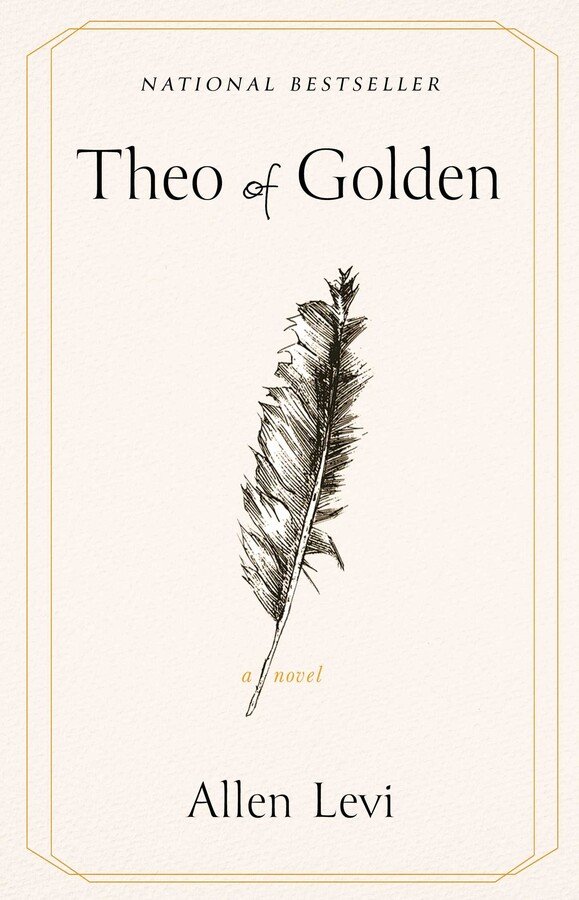
Theo of Golden
Book Details
Theo of Golden
⚠️ Trigger Warnings
- Physical violence & assault
- Severe injury / maiming
- Death of a parent
- Death of a child
- Accidental death / fatal accidents
- Gun violence (referenced)
- Grief & bereavement
- Alcoholism & substance abuse
- War trauma / PTSD
- Graphic war imagery (non-detailed)
- Mental illness & institutionalization
- Family separation / loss of a child
- Alzheimer’s disease / dementia
- Pregnancy loss / reproductive coercion
- Emotional abuse (parental)
- Racism & historical violence (referenced)
- Wrongful incarceration / injustice
⏱️ 2-Minute Spoiler Summary
Theo of Golden follows an elderly Portuguese man named Theo who quietly arrives in the small Southern town of Golden just before Easter. While exploring, he discovers a coffee shop displaying 92 pencil portraits by a local artist, Asher Glissen. Moved by the collection, Theo decides to buy each portrait and return it to the person depicted, believing they belong with their “rightful owners.”
As he tracks down each subject, Theo forms meaningful connections across the community. His acts of generosity go far beyond the portraits—he provides emotional support, financial help, and encouragement to people facing hardship, including a struggling accountant, a grieving father, a musician, and an unhoused woman rebuilding her life. Through these interactions, Theo helps others feel truly seen and valued.
Over time, Theo becomes deeply woven into the fabric of Golden, forming close relationships with townspeople and especially with Asher, the artist behind the portraits. Theo also shares pieces of his own past, including the devastating loss of his wife and daughter years earlier, which shaped his quiet, compassionate outlook on life.
The story takes a tragic turn when Theo witnesses a violent attack and falls to his death while trying to intervene. Afterward, the town learns his true identity: he was actually a world-renowned, reclusive artist living under an assumed name. A final revelation uncovers that Theo had come to Golden with a deeply personal purpose—Asher, the portrait artist, is his son, a truth Theo had honored in silence for decades.
In the aftermath, Theo’s legacy lives on through the people he touched, as his small acts of kindness continue to ripple through the community.
📖 Full Spoiler Summary
Arrival: A Stranger by the River
At eighty-six, Theo arrives alone in Golden, Georgia, just before Easter, stepping quietly into a town that has no idea who he is—or why he’s come. He drifts naturally into the rhythm of the Promenade and the nearby Oxbow River, observing more than speaking, listening more than explaining. There’s an immediacy to his presence, a calm intentionality, as if every step has already been decided long before he set foot in town.
On his first morning, Theo discovers The Chalice, a coffee shop lined wall-to-wall with ninety-two pencil portraits by a local artist, Asher Glissen. The drawings stop him. They are intimate, searching—faces caught in moments of truth. Almost instantly, Theo forms a private mission: he will buy each portrait and return it to the person depicted. Not as a collector, but as a giver. Not as a transaction, but as a quiet act of restoration.
The Plan Takes Shape: Ponder House and the First Bestowals
To carry out his mission, Theo seeks help from James Ponder, a meticulous and discreet property consultant. Their partnership is built on confidentiality and trust; Theo deposits a large sum of money and asks only for assistance in locating the portrait subjects. Soon, Theo takes up residence in the top-floor apartment of Ponder House, overlooking the town he intends to change—one person at a time.
The first bestowal sets the tone. Minnette Prentiss, a young CPA, receives her portrait and, in the process, reveals the quiet fractures in her life: a cold, demanding father, Pearce Glissen, and the private grief of a lost pregnancy. Theo listens without judgment, offering no grand solutions—only presence, which proves unexpectedly powerful.
From there, the mission expands. Kendrick Whitaker, a night custodian, receives his portrait as he struggles to care for his daughter Lamisha, injured in a crash that killed her mother. Without recognition, Theo arranges financial and medical support through Ponder, altering the course of their lives without ever claiming credit. Each bestowal becomes less about the drawing and more about what it unlocks: truth, grief, dignity.
A Web of Lives: Music, Loss, and Quiet Redemption
As spring deepens, Theo’s circle widens. He meets Basil Cannonfield, a street musician who abandoned teaching after losing his sister to cancer, and Simone Lavoie, a gifted but uncertain cello student. With Simone, Theo takes on a more deliberate role—mentor, patron, and quiet champion—nudging him toward confidence and artistic risk.
Then there is Ellen, an unhoused woman who lives by her own rigid, eccentric rules, pedaling through town on her bicycle, the “Noble Invention.” Beneath her sharp edges lies a devastating history: decades earlier, the state took her infant daughter, Willa Francesca, declaring her unfit. Theo does not try to fix her story. Instead, he invests in her future, encouraging her creativity and helping her transform her handmade “featherwood” art into something sustainable.
Through these encounters, Theo becomes a gravitational force in Golden. People begin to shift—not dramatically, but unmistakably. They speak more honestly. They carry their grief differently. They begin, in small ways, to heal.
Friction Beneath the Surface: Pride, Rage, and Old Wounds
Not all of Golden welcomes change. Pearce Glissen looms over the story, rigid and transactional, dismissing both Minnette and his brother Asher’s artistic life. His worldview—measured in profit and control—stands in sharp contrast to Theo’s quiet generosity.
Tension sharpens further at the town fountain, where Theo often meets the recipients of his portraits. One confrontation turns volatile when Cleave Torber, driven by jealousy and possessiveness, destroys a portrait belonging to his girlfriend. The act is sudden, ugly—a reminder that not everyone is ready to be seen, and not every truth is welcomed.
Meanwhile, Theo continues to embed himself in the community. He forms a close friendship with Tony Wilcox, the sharp-tongued owner of The Verbivore bookstore. Beneath Tony’s wit lies a haunting past from the Vietnam War, including a moment of irreversible tragedy that still defines him. With Theo, even Tony begins to soften.
The Hidden Past: Grief That Shaped a Life
In quiet conversations, Theo begins to reveal fragments of his own history. Years earlier, in France, a car accident took the lives of his wife and young daughter, Tita. The loss hollowed him, leaving him adrift in grief for years.
He describes a turning point: standing by the River Marne at sunset, watching light return to the world even when he believed his own life was over. That moment didn’t erase his pain—but it allowed him to live alongside it. Everything he does in Golden seems to flow from that understanding: that sorrow and beauty are not opposites, but companions.
A Night of Music: The Peak of Connection
By the time spring returns, Theo’s presence has reshaped the town in ways both visible and subtle. For Simone’s graduate recital, Theo orchestrates a surprise—flying in Simone’s parents from Seattle, reconnecting a strained bond.
That night, the community gathers, and something rare happens. Simone, Basil, and Kendrick perform an original piece, Fado for Theo, a musical expression of longing, loss, and gratitude. It is a culmination—not just of talent, but of the connections Theo has quietly built. For a brief moment, everything aligns: art, memory, and belonging.
The Fall: Violence and Sudden Loss
The night does not end in celebration. Hours later, at the fountain, Ellen is attacked by three drunken men who steal her hat and attempt to destroy her bicycle. Simone intervenes and is brutally beaten—his hand crushed, his cello destroyed.
From his third-floor balcony, Theo witnesses the violence. He leans over the railing, shouting, trying to help—but in that desperate moment, he loses his balance. The fall is sudden, irreversible. By the time help arrives, Theo is gone.
The Truth Revealed: The Man Behind the Name
In the aftermath, Golden begins to understand who Theo truly was. He is identified as Gamez Theophilus Zilavez—Zila, a world-renowned and reclusive artist whose works hang in major museums. For decades, he had withdrawn from public life after his family’s death, his genius overshadowed by grief.
The deeper truth arrives in a letter to Asher Glissen. Years earlier, Theo and Asher’s mother had fallen in love in Spain. When she returned to Georgia pregnant, she chose a different life, asking Theo never to contact her. He honored that request—until now. His journey to Golden, his year of quiet generosity, had a singular, hidden purpose: to know his son, even if only from a distance.
Aftermath: What Remains
Theo’s absence leaves a silence—but not an emptiness. What he set in motion continues. Asher inherits Theo’s estate and carries forward both his art and his legacy, now understanding the truth of his origin. Simone’s hand heals, and the community rallies to replace his destroyed cello. Ellen’s art grows into a thriving business, her life reshaped by both loss and renewal.
A final quiet possibility emerges when a young woman, Olivia Reese, arrives at Ponder House—her presence suggesting that Ellen’s long-lost daughter, Willa Francesca, may have found her way home at last.
Tony, forever changed, installs a plaque on Theo’s favorite bench by the fountain, honoring the man who asked for nothing and gave everything—a quiet figure who moved through Golden like a current, leaving behind a town that, piece by piece, learned how to see.
🔚 Ending Explained
The novel reaches its emotional peak on the night of Simone Lavoie’s master’s recital—an evening Theo quietly elevates by reuniting Simone with his parents. The performance becomes a celebration of connection, culminating in an original piece, Fado for Theo, that reflects the community Theo has helped shape.
But the night fractures in its final hours. At the fountain—Theo’s chosen place for his “bestowals”—Ellen is attacked by three young men. Simone intervenes and is brutally beaten; his hand is crushed, and his cello destroyed. Watching from his third-floor balcony, Theo leans out, shouting for the violence to stop. In that urgent moment, he loses his balance and falls to his death.
In the aftermath, Golden learns the truth: Theo was not an anonymous drifter but Gamez Theophilus Zilavez—Zila—a globally celebrated and reclusive artist. The final, most intimate revelation comes through a letter left for Asher Glissen. Theo confesses that he is Asher’s biological father, the result of a long-ago love affair in Spain. His year in Golden was not random—it was a deliberate, quiet attempt to know his son without disrupting his life.
Thematic Meaning: Where Grief and Grace Meet
The ending crystallizes the novel’s central idea: that profound change often comes through small, unseen acts of kindness. Theo’s life—and death—demonstrate that sorrow and beauty are not opposites but companions.
His concept of “good sadness” defines the emotional core. Theo never eliminates pain; instead, he transforms how people carry it. His death, while tragic, becomes an extension of that philosophy—his absence deepens the very connections he spent the year nurturing. The town doesn’t collapse under grief; it evolves because of it.
Symbolism Woven Into the Ending
Several recurring symbols converge in the final chapters:
- Water and the Fountain: Theo’s “riparian instinct” reflects life as a current—ever-moving, ever-connecting. His death at the fountain, the site of his bestowals, signals completion. The place where he returned others to themselves becomes where his own story ends, as if he dissolves back into the current he set in motion.
- The Oak Tree (“Eye of God”): The scarred tree overlooking the fountain symbolizes witness. It carries the memory of the town’s darker past while silently observing Theo’s acts of grace. Even though the attackers are never caught, the suggestion is clear: nothing—good or evil—goes unseen.
- The Opal Necklace (“Evening of Biscopo”): Passed across generations—from Theo’s mother to Asher’s mother, and ultimately to Asher’s daughter—this heirloom represents restoration. What was once broken or hidden becomes whole again, binding the past to the future through love.
Character Choices: Living Out Theo’s Influence
In the wake of Theo’s death, the people of Golden make decisions that reflect his quiet philosophy:
- Asher chooses not to chase fame despite inheriting a vast artistic legacy. He remains in Golden, committed to the kind of art rooted in human connection rather than prestige.
- Minnette and Derrick name their son Theo, marking a conscious rejection of fear-driven, status-focused living in favor of something braver and more compassionate.
- Ellen, once defined by loss, gives from what little she has to help fund a new cello for Simone—mirroring the generosity she received.
- Tony, long hardened by war and guilt, softens enough to publicly honor Theo, creating a lasting space for remembrance.
Each choice reinforces the idea that Theo’s influence was never about dependence—it was about awakening something already present in others.
Tone: Bittersweet, Yet Luminous
The ending balances grief with quiet radiance. Theo’s death is sudden and deeply felt, but it is not meaningless or bleak. Instead, it reframes loss as something that can coexist with gratitude, beauty, and even joy. The tone never denies pain—but it refuses to let pain have the final word.
Future Implications: A Community Transformed
The epilogue extends Theo’s legacy into the future:
- Simone’s recovery—both physical and artistic—signals resilience, supported by a community that now understands collective care.
- Ellen’s possible reunion with her daughter (Olivia Reese) suggests that what was lost can, against all odds, be restored.
- The “Cello Fund” and Theo’s memorial bench anchor his memory in shared action and physical space, turning remembrance into something active rather than static.
Golden itself becomes the final testament. It is no longer just a setting—it is evidence of what one life, lived with intention and generosity, can set in motion.
Final Takeaway
The ending of Theo of Golden is not just about the loss of one man—it’s about the permanence of what he gave away. Theo arrives as a stranger and leaves as a quiet force woven into the lives of others. His story closes, but the current he created continues—carrying forward the idea that even the smallest acts of kindness can ripple outward, changing everything.
👤 Characters & Fates
🔶 Main Characters

Dies after falling from his third-story balcony while trying to call for help during an assault.

Inherits Theo’s estate and continues his life as an artist in Golden.

Builds a stable life and grows a successful art business with community support.
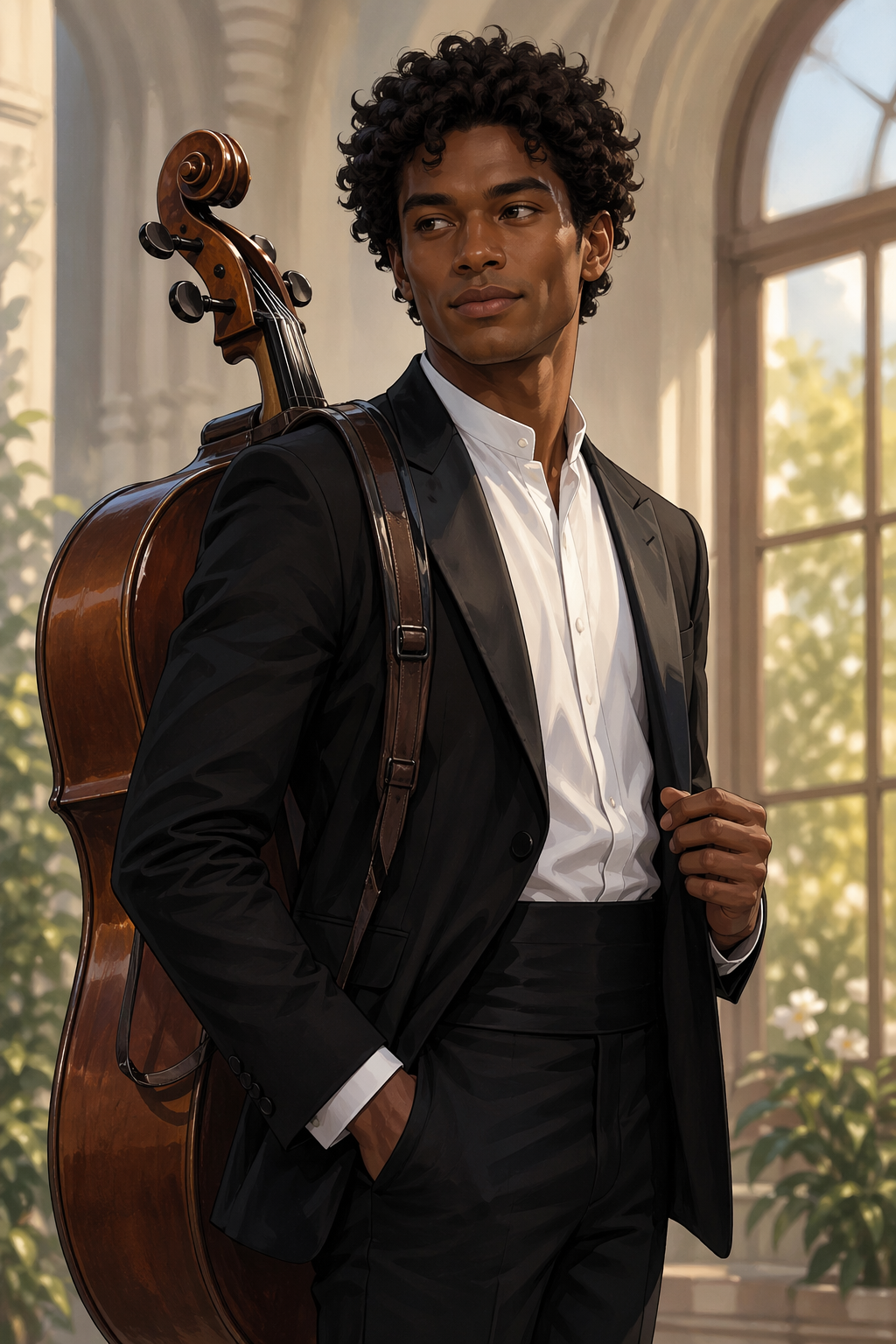
Recovers from a severe injury and continues his career with a new cello funded by the community.

Remains in Golden, softened by Theo’s influence, and honors him with a memorial.

Continues his work and helps Ellen manage her growing business.

Leaves her firm, builds a new life, and becomes a mother, naming her son Theo.

Advances in his career and continues raising his daughter with family support.
🔷 Supporting Characters

Builds a family with Minnette; they name their son Theo.
Remains entrenched in his status-driven life, resentful of Asher’s inheritance.
Continues working with Ponder and helps support Ellen’s new business.
Regains mobility, maintains meaningful friendships, and looks toward a hopeful future.
Thrives in business and considers expanding his café concept.
Continues as the heart of the Glissen household, witnessing her family grow.
Authors a book honoring Theo’s legacy and the impact of his bestowals.
Avoids consequences for later violence and moves on to another relationship.
Leaves Golden to begin a new life, shedding her past.
🕳️ Potential Plot Holes
Issue: Theo is secretly Zila, a globally famous artist with work in major institutions.
Why it feels off: He spends months in highly public, social spaces—coffee shops, bookstores, church—interacting with dozens of people. In a modern, hyper-connected world, it’s unlikely that no one (especially a journalist actively curious about him) would recognize him or even casually Google him. His total anonymity stretches plausibility.
Issue: Asher has a framed letter from Zila hanging in his studio.
Why it feels off: Theo visits the studio and studies the space carefully. It’s hard to believe he wouldn’t notice his own letter—or that Asher, who clearly admires Zila, wouldn’t connect Theo to the famous artist standing right in front of him. The missed recognition on both sides feels unlikely.
Issue: A full six-canvas art collection is revealed after Theo’s death.
Why it feels off: The book never shows Theo painting, owning supplies, or even implying he’s working on art. Given his age, living situation, and constant presence around town, it’s difficult to imagine him secretly producing a professional collection without anyone noticing—especially without mention of materials, space, or time dedicated to it.
Issue: Theo is referred to James Ponder as if he’s a complete stranger.
Why it feels off: It’s later revealed Theo had a prior relationship with Ponder’s father and the firm. That makes his introduction—via Tony’s casual suggestion—feel staged. If he already knew and trusted the Ponders, the “chance discovery” reads more like a narrative convenience than organic plotting.
Issue: Theo operates financially under a vague identity (“PH Ltd”) while keeping his full name hidden.
Why it feels off: Managing large sums of money, opening accounts, and conducting transactions—especially as a foreign national—typically requires significant identity verification. The idea that he could maintain this level of financial activity in a small U.S. town without revealing his identity to anyone beyond Ponder feels legally and logistically unlikely.
Overall Takeaway
Most of these inconsistencies stem from the same tension: the story leans into a modern setting, but operates on a slightly more timeless, almost fable-like logic. If you read it strictly through a realism lens, these gaps stand out—but if you read it as a character-driven, thematic story, they tend to fade into the background.
📚 Book Club Q&A's
- Feeling cynical and guarded? You might be Tony.
- Playing it safe and seeking approval? Minnette energy.
- Quietly observing the world? Simone.
The real question is… do we want to be more like Theo by the end?
⭐ Final Rating & Thoughts
Theo of Golden is such a quiet story on the surface—but underneath, it hits hard. Theo’s steady, almost gentle way of moving through people’s lives makes everything feel calm… until it suddenly isn’t. And that ending? It doesn’t just land—it lingers.
Theo’s death could have felt cruel or unnecessary, but instead it reinforces the entire message of the book: that kindness isn’t transactional. It’s not about outcomes or rewards. It’s about choosing to show up anyway, even when the world doesn’t respond the way you hope.
And the twist with Asher? That adds a whole extra layer of heartbreak. Theo didn’t come to fix anything or claim anything—he came simply to be near his son. That restraint, that quiet love, honestly made it even more emotional.
What really got me, though, is how the story doesn’t end with Theo—it expands because of him. Every character carries a piece of what he gave them, and you can feel that ripple effect continuing long after the final page.
It’s rare to find a book that feels both devastating and comforting at the same time, but this one pulls it off.
✨ Adaptation description
✨ Books Like Too Old For This
See an error on this page?